
Film
Layflat polythene tubing, cut and sealed to any length
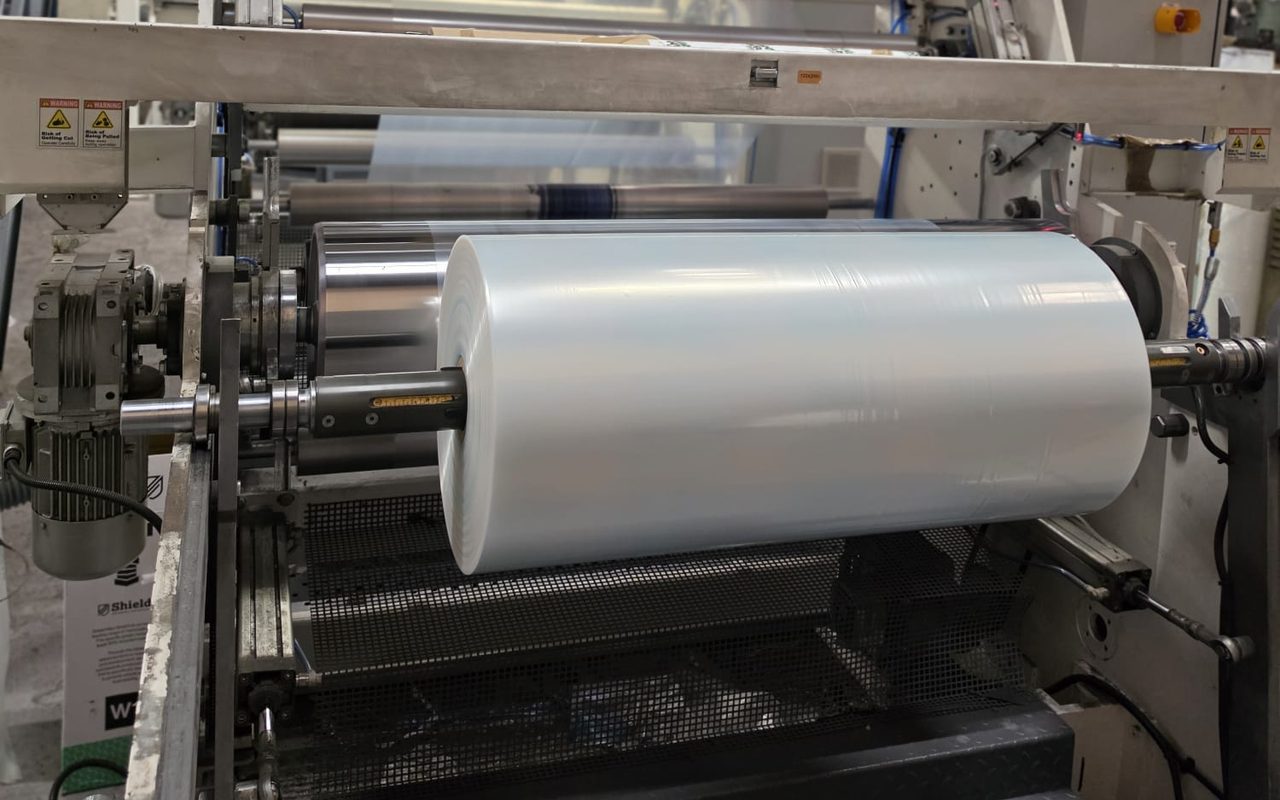
Layflat tubing is a continuous polythene tube supplied flat on a reel, so you can cut and heat-seal it to make a bag or cover of any length. We extrude it at our Blackburn factory in gauges from 25 to 250 microns, in the flat width you need, clear or coloured, plain or printed.
At a glance
Key points
- A continuous tube on a reel with no seals, so one reel covers many bag lengths
- Extruded in gauges from 25 to 250 microns
- Flat widths made to order, clear or coloured
- Seal one end for a sleeve or liner, both ends to fully enclose the item
- Recycled grades available, and biodegradable options are manufactured too
| Gauge | 25–250mu |
|---|---|
| Material | Polythene, extruded in house at our Blackburn factory |
| Width | Made to order, flat width to suit your product |
| Colour and print | Clear or coloured, plain or printed to your artwork |
| Recycled content | Recycled grades available; biodegradable options also manufactured |
| Supplied as | Reels of continuous tubing, or converted into cut and sealed bags and covers |
| Lead time | Typically 2 to 3 weeks on bespoke runs, quicker on repeat orders and standard specifications |
What is layflat tubing?
Layflat tubing is polythene extruded as a continuous tube and wound flat onto a reel. It has no seals of its own, so you cut off the length you need and heat-seal one or both ends, which turns a single reel into bags, sleeves and liners of any length.
It is the practical choice when a product is long, awkward or changes size from order to order, because you are not tied to a fixed bag size and you are not holding stock of a different bag for every product. We extrude layflat tubing at our factory in Blackburn in gauges from 25 to 250 microns.
What width and gauge of layflat tubing do I need?
Width is measured flat, so tubing that measures 300mm across the reel opens out to a sleeve roughly 600mm around. Pick a flat width that lets the product slide in without forcing it, then allow a little more for any bulk once it is inside.
Gauge is the film thickness in microns. As a rough guide, 25 to 50 microns suits light, clean items and dust covers, mid gauges cover general packing, and heavy, sharp or abrasive items need 100 microns and upwards. We extrude layflat tubing from 25 to 250 microns and make the width to order, so send us the dimensions and weight of the item and we will recommend a specification.
How is layflat tubing supplied?
Layflat tubing is supplied on a reel, wound on a core, in the width and gauge you specify. Most buyers take it plain and cut it down at the bench or at a line-side dispenser, sealing the ends with a hand impulse sealer or a heat bar.
If you would rather not seal in house, we convert tubing into finished bags and covers at our Blackburn factory, so you can order the same film either way. Reel lengths and put-ups are made to order to suit how you handle it, and we print to your artwork where you need part numbers, handling instructions or branding.
Can layflat tubing be made from recycled material?
Yes. Recycled grades are available across much of our range, and layflat tubing is one of the products where recycled content is straightforward to include, particularly where the tubing is a protective cover rather than a presentation pack. Biodegradable options are manufactured too.
Recycled content is one of the film properties we tune when we write a specification, alongside strength, elasticity, slip, stiffness and thickness. Tell us how the tubing is used and how much it gets handled, and we will suggest how much recycled material the job will take without losing the protection you need.
Common applications for layflat tubing
- Engineering and metal fabrication, covering long profiles, bar and machined parts
- Timber, joinery and building products
- Textiles, carpet and roll goods
- Automotive and vehicle parts protection
- Print and paper finishing
- Horticulture and nursery growers
- Warehousing and distribution, for oversized or odd-shaped items
- Agricultural equipment and machinery covers
Questions
Layflat tubing FAQs
What is the difference between layflat tubing and a ready-made polythene bag?
Layflat tubing is a continuous open tube on a reel with no seals, so you cut and seal it to whatever length the job needs. A ready-made polythene bag arrives already cut and sealed to one fixed size. Tubing suits products that vary in length, or that no standard bag fits, while pre-made bags are quicker on the bench if your product is always the same size.
How do I turn layflat tubing into a bag?
Cut the length you want off the reel, then heat-seal one end to make a bag or both ends to fully enclose the item. Most packing benches use a hand impulse sealer for light gauges and a heat bar or foot-operated sealer for thicker film. If you would rather not seal in house, we convert the tubing into finished bags and covers at our Blackburn factory.
What gauge of layflat tubing should I order?
As a rough guide, 25 to 50 microns suits light, clean items and dust covers, mid gauges cover general packing, and heavy, sharp or abrasive items need 100 microns and upwards. We extrude from 25 to 250 microns, so there is room to move in either direction. Tell us the weight of the item, whether it has sharp edges and how it is handled, and we will recommend a gauge.
Can layflat tubing be printed?
Yes, we print layflat tubing to your artwork. It is commonly used for part numbers, handling instructions, batch identification or branding where the customer will see the wrap. Print is set up per specification, so send us the artwork along with the flat width and gauge and we will quote it printed and plain so you can compare the two.
Related
You might also consider
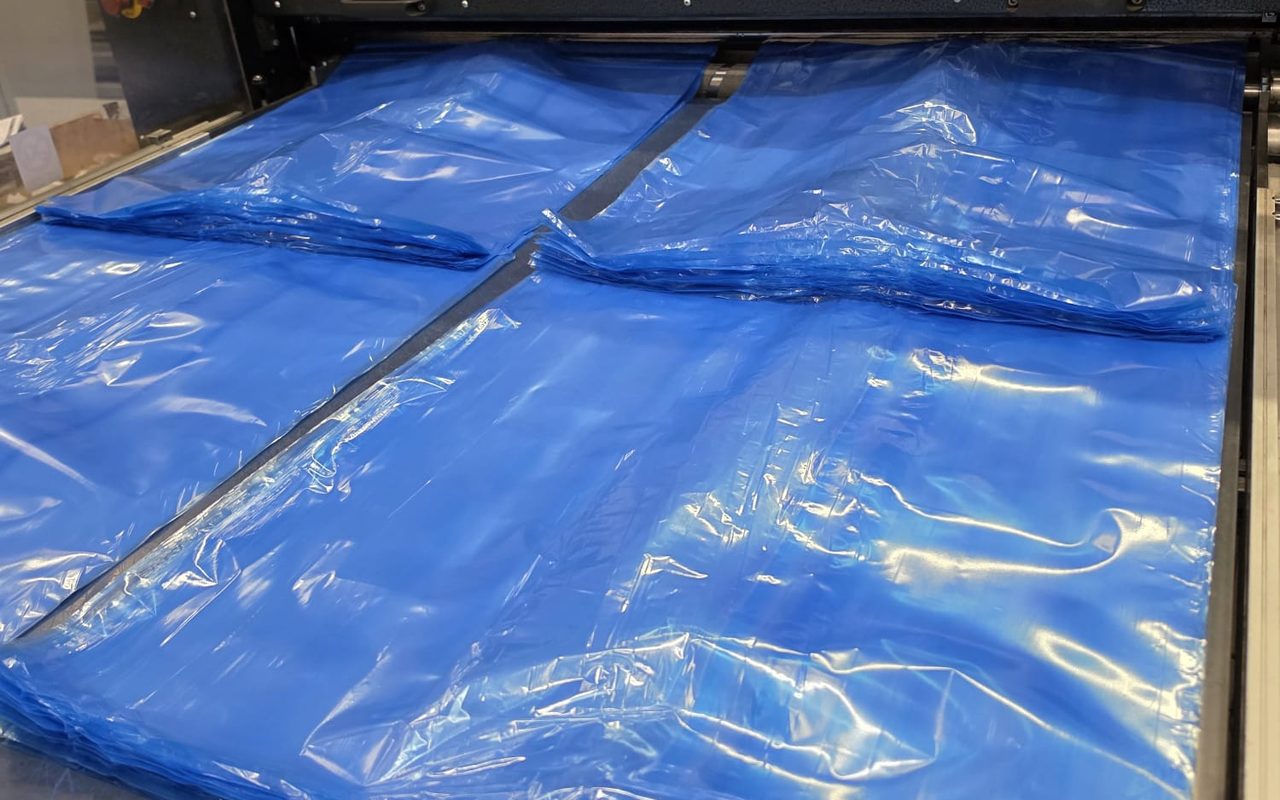
Polythene bags
Clear or coloured bags, flat, gusseted or on a roll, printed or plain and sized to your product.
View product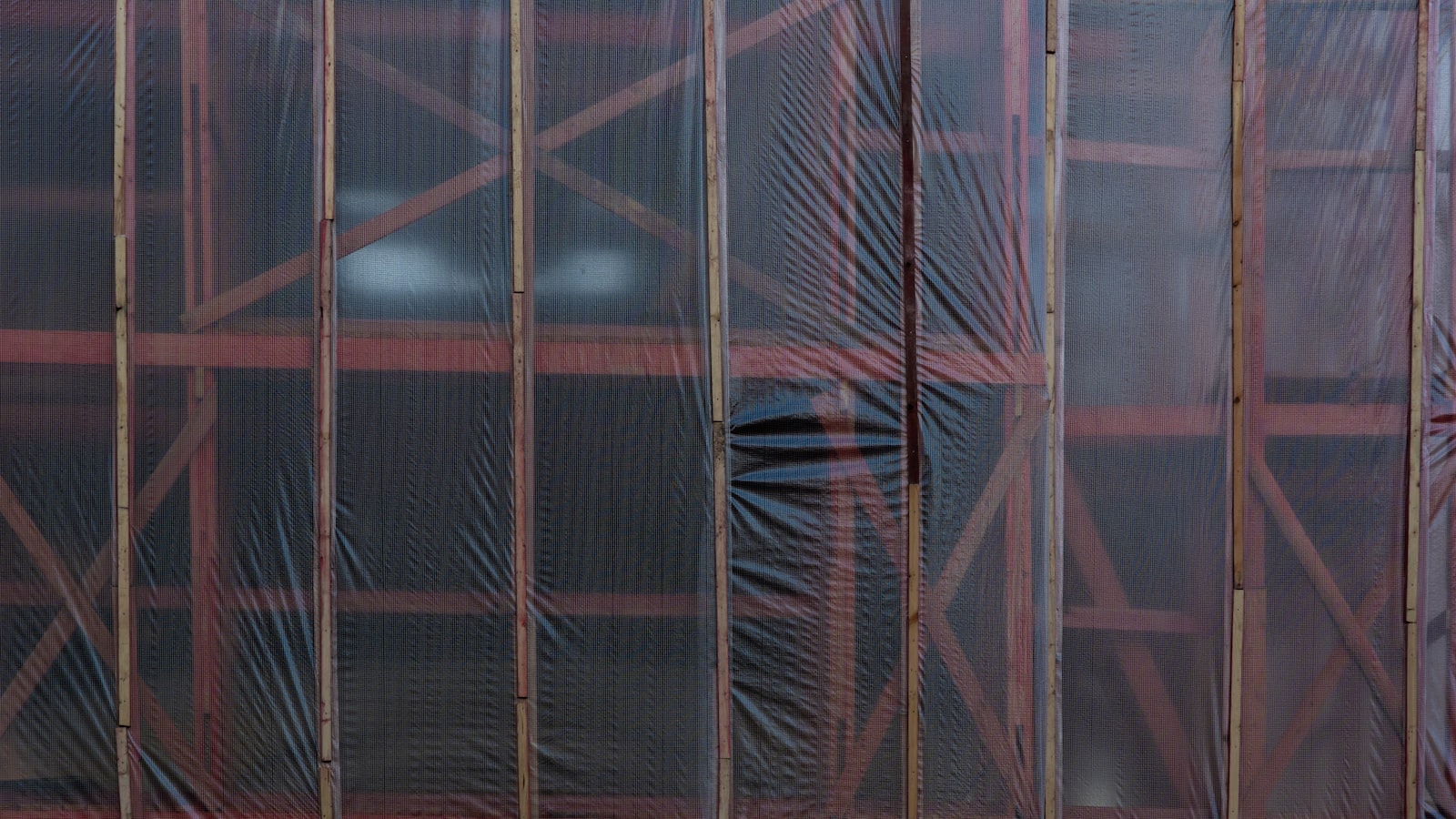
Polythene sheeting
Protective covers, liners and dust sheets for storage, building and transit, at any width.
View product
Bespoke specification
A completely custom film or bag engineered around your product, process and requirements.
View productBrowse the full product range, try the product selector, or read our packaging guides.
Need it made to your exact spec?
We manufacture tailor-made polythene packaging in Blackburn and deliver across the UK. Tell us your numbers and we will quote.