
Sacks
Refuse sacks and bin liners
Refuse sacks and bin liners are polythene waste sacks, sized to fit your bin and specified by gauge for the weight they have to carry. We manufacture them in Blackburn from 40 to 160 micron, from pedal-bin and office liners through to compactor and heavy-duty sacks, with recycled grades available across the range.

At a glance
Key points
- Gauges from 40 to 160 micron, matched to the weight of the waste
- Pedal-bin, swing-bin, wheelie-bin, compactor and heavy-duty sizes
- Recycled grades available, including sacks made from post-consumer waste
- Black, clear or coloured for waste segregation
- Made to your bin size, so non-standard containers are not a problem
| Gauge | 40–160mu |
|---|---|
| Material | Polythene, including recycled and post-consumer waste grades |
| Sizes | Pedal-bin, swing-bin, wheelie-bin, compactor and heavy-duty, or made to your bin size |
| Colours | Black, clear or coloured for waste segregation |
| Recycled content | Available across the range, including sacks produced from post-consumer waste |
| Supplied as | Flat packed or on rolls, to suit how the sacks are issued on site |
| Lead time | Typically 2 to 3 weeks for bespoke runs, quicker on repeat and standard specifications |
What is the difference between a refuse sack and a bin liner?
In practice the two names describe the same product at different weights. A bin liner is generally the lighter sack that lines a container and keeps it clean, such as a pedal-bin, swing-bin or office bin liner. A refuse sack is generally heavier and is expected to hold the waste on its own while it is carried, stacked or thrown into a vehicle.
We manufacture both, from 40 to 160 micron, so you can move up or down in gauge without changing supplier. Tell us what goes in the bin and how the full sack gets handled and we will point you at a gauge.
What gauge of refuse sack do I need?
Refuse sacks and bin liners are made from 40 to 160 micron. The lighter end of that range is usually enough for office paper, washroom waste and general housekeeping, where the sack is lifted out and carried a short distance. The heavier end is for waste with weight or sharp edges in it, for compactor use, and for anywhere a split sack means the job gets done twice.
Gauge on its own is not the whole story. We set strength, elasticity and thickness when we extrude the film, so a well-specified sack can carry more than its thickness alone suggests. Tell us the load and we will quote a specification against it.
How do I work out the right size sack for my bin?
Measure the bin rather than the old sack. For the width, take the distance around the widest part of the bin and halve it, then allow a little ease so the sack drops in without stretching. For the length, take the height of the bin and add enough to fold over the rim and still reach the base without pulling tight.
Refuse sacks and bin liners are made to order at our Blackburn factory, so an odd-sized or purpose-built container is not a problem. Send us the bin dimensions, or a sample of the sack you buy now, and we will make to that size.
Are recycled refuse sacks available?
Yes. We manufacture refuse sacks and bin liners in recycled grades, including sacks produced from post-consumer waste, and biodegradable options are manufactured too. A waste sack is one of the most established uses for reprocessed polythene, because it does not need the clarity a display bag does.
Recycled content is one of the properties we set at the extrusion stage, alongside strength, thickness and stiffness. Tell us the recycled content you are aiming for and we will tell you plainly what is achievable at the gauge and size you need.
Common applications for refuse sacks and bin liners
- Local authority and council waste collection
- Offices and facilities management
- Contract cleaning companies
- Hotels, pubs and hospitality
- Schools, colleges and universities
- Retail and shopping centre back-of-house
- Warehouses and manufacturing sites
- Construction and site clearance
Questions
Refuse sacks and bin liners FAQs
What is the difference between a compactor sack and a standard refuse sack?
A compactor sack is made at a heavier gauge because the waste is pressed into it under force and then handled as a dense, heavy block. A standard refuse sack is filled loosely and carries far less weight per sack. We make refuse sacks from 40 to 160 micron, so tell us the compactor make and the weight of a finished bale and we will specify accordingly.
Can you make bin liners to fit a non-standard or oversized bin?
Yes, refuse sacks and bin liners are made to order, so we are not limited to a stock size list. Measure the bin and send us the width and height, or post us a sample of the liner you use now. We will make the sack to fit the container rather than asking you to make do with the nearest stock size.
How many litres does a refuse sack hold?
Capacity comes from the lay-flat width and length of the sack rather than from a fixed figure, and how much a bin liner really holds depends on how loosely the waste sits. The practical approach is to work from the bin you are lining rather than from a litre rating. Tell us the bin capacity or its dimensions and we will make sacks that fit it properly.
Do coloured sacks help with waste segregation?
Colour coding is a common way to keep waste streams apart on site, because staff can see at a glance which sack belongs to which bin. We manufacture refuse sacks and bin liners in a range of colours so you can match a scheme you already run. Send us your colour scheme and the sizes for each stream and we will quote them together.
Related
You might also consider

Recycled polythene products
Bags, sacks and film made from recycled polythene, including post-consumer waste grades.
View product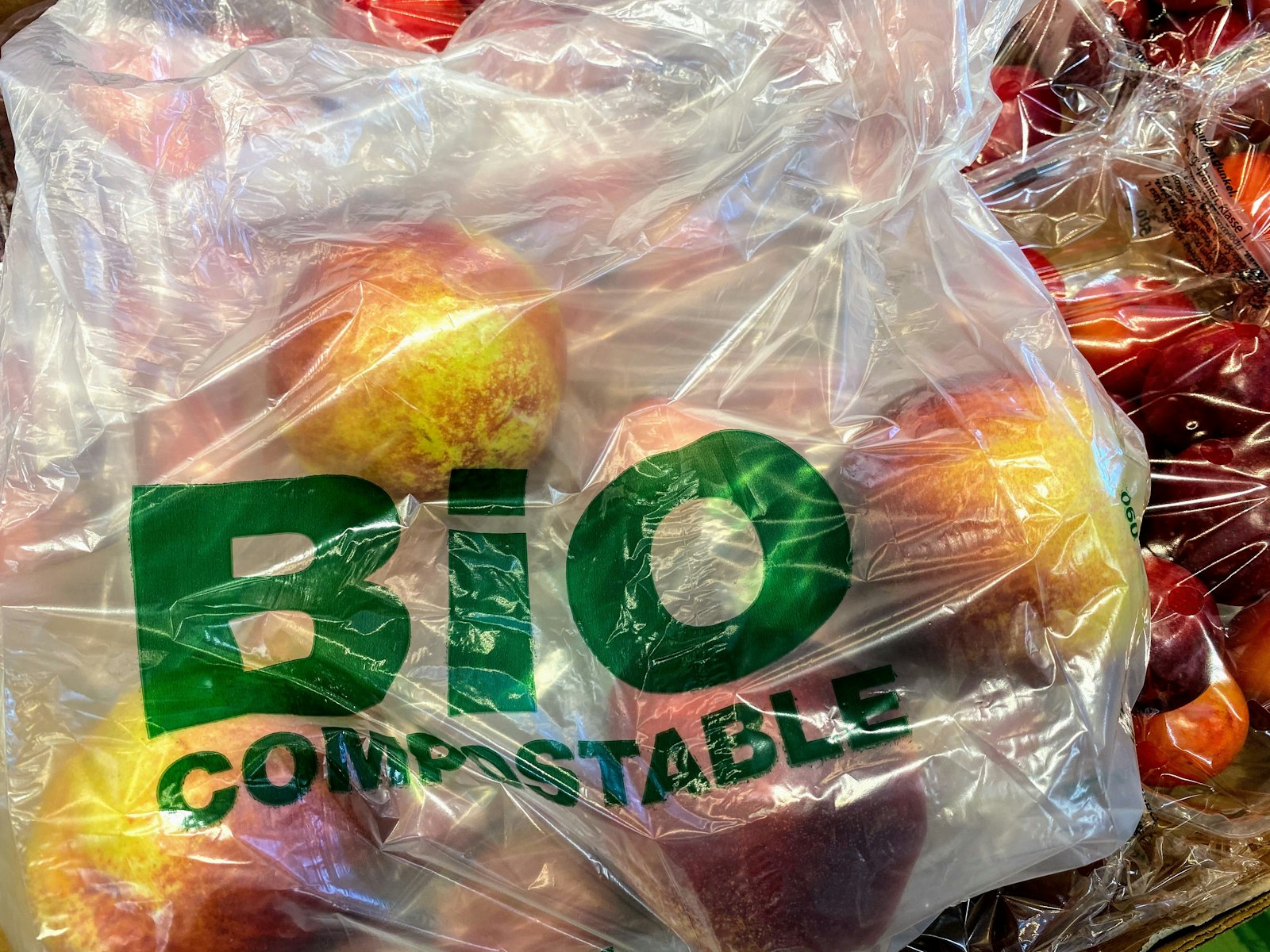
Biodegradable products
Biodegradable bags and film that break down responsibly while performing on the line.
View product
Body bags
Heavy-gauge disposal sacks manufactured to specification for demanding, high-strength applications.
View productBrowse the full product range, try the product selector, or read our packaging guides.
Need it made to your exact spec?
We manufacture tailor-made polythene packaging in Blackburn and deliver across the UK. Tell us your numbers and we will quote.