
Film
Shrink film
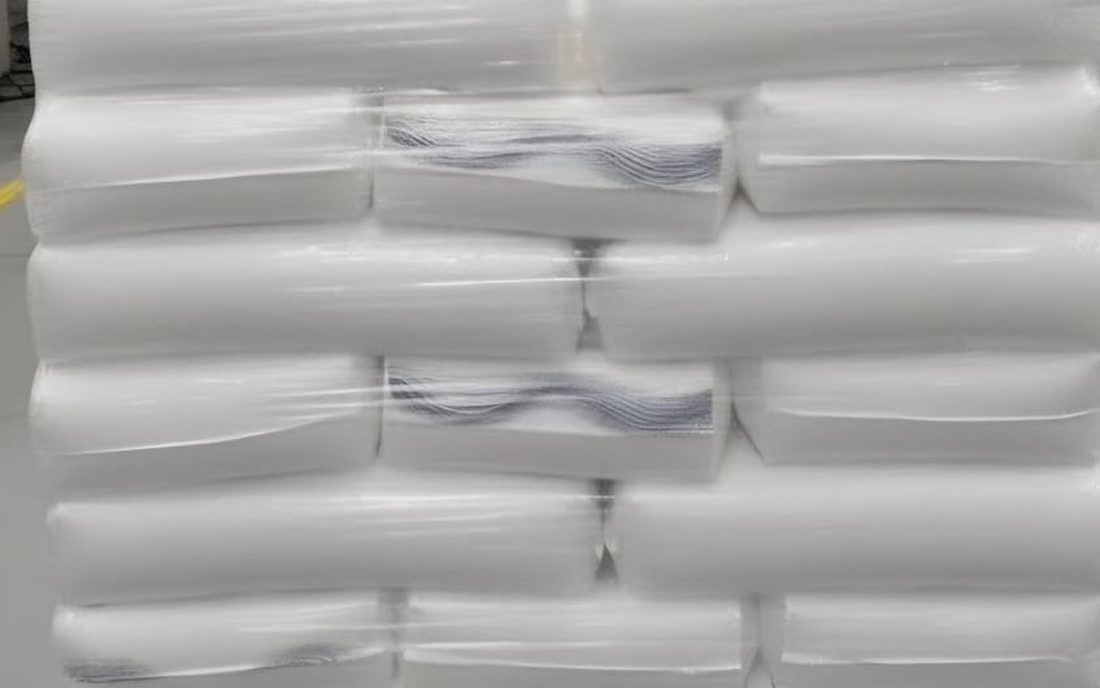
Shrink film is polythene film that tightens around a load when heat is applied, holding pallets and multipacks together for storage and transit. We manufacture it in Blackburn from 15 to 100 micron, cut to the width your line runs, with print to your artwork, so the shrink stays consistent across the whole wrap.
At a glance
Key points
- Gauges from 15 to 100 micron
- Reels cut to your width and wound to the core and diameter your machine takes
- Film extruded in house in Blackburn, so the specification is set to your load
- Clear or coloured, plain or printed to your artwork
- Recycled grades available across much of the range
| Gauge | 15–100mu |
|---|---|
| Material | Polythene shrink film, extruded in house |
| Sizes | Reels cut to your width, wound to your core size and reel diameter |
| Colours and print | Clear or coloured. Plain or printed to your artwork. |
| Recycled content | Available across much of the range, quoted against the hold you need |
| Supplied as | Reels made to the format your machine or heat tunnel runs |
| Lead time | Typically 2 to 3 weeks for bespoke runs, quicker on repeat and standard specifications |
What is shrink film and how does it work?
Shrink film is polythene film that contracts when heat is applied, pulling in tight against whatever it is wrapped around. The film is stretched as it is made and holds that tension until heat releases it, which is why a loose wrap turns into a tight, stable pack once it has been through a heat tunnel or over a heat gun.
We extrude shrink film in Blackburn from 15 to 100 micron and cut it to the width your line runs. The result is a pack that keeps its shape through storage and transit, with the contents held together rather than shifting about.
What is the difference between shrink film and stretch wrap?
Shrink film needs heat. It goes on loosely and is then shrunk down onto the load with a heat tunnel or a heat gun, giving a tight, finished-looking pack that also helps keep dust and moisture off. Stretch wrap works the other way: it is pulled around the load cold and holds by its own elasticity.
Shrink film tends to win where the pack has to look finished on a shelf, stay clean in an open yard, or hold an awkward multi-item load rigidly. If you are not sure which suits your load, tell us what you are wrapping, how heavy it is and how it is handled afterwards, and we will give you a straight answer.
What gauge of shrink film do I need?
Shrink film is manufactured from 15 to 100 micron. The lighter end of that range suits small multipacks and light retail bundles, where the film only has to hold a few items together and look tidy. The heavier end suits palletised loads, building products and anything with corners or edges that would work their way through a thin film in transit.
Gauge is not the only variable. When we extrude shrink film we can adjust strength, elasticity, slip and stiffness, so it is often possible to hold a load with less material rather than simply going thicker. Send us the load weight, the pack dimensions and the machine you run and we will specify against it.
How is shrink film supplied?
We supply shrink film on reels, cut to the width your line needs and wound to a core size and reel diameter that fits your machine. Tell us the format your equipment takes, along with the gauge, the colour and any print, and the film is made to that.
Everything is made to order, so a width nobody holds in stock is not a problem. If you are changing over from a film you already buy, send us the reel label or a sample. We will match the specification first, then look at whether the gauge can come down without losing the hold on the load.
Common applications for shrink film
- Pallet unitising in warehousing and distribution
- Retail multipack bundling
- Building products such as blocks, bricks and insulation
- Timber, window and door manufacture
- Print, paper and stationery
- Plastics extrusions and profiles
- Flat-pack and furniture despatch
Questions
Shrink film FAQs
Do I need a heat tunnel to use shrink film?
You need a source of heat, but that does not have to be a tunnel. A heat gun is common for pallet loads and low volumes, while a tunnel suits repetitive multipack work on a line. Tell us which you use when you enquire, because the gauge and the film specification are set differently for hand shrinking than for a tunnel.
Why is my shrink film not shrinking evenly?
Uneven shrink usually comes down to heat distribution or a gauge that does not match the load, rather than the film alone. A heat gun held too close on one face, a tunnel running cool at the edges, or a film too heavy for the temperature you can reach will all leave slack patches. Send us the load details and your machine settings and we will look at whether the specification is right for the job.
Can shrink film be printed with our branding?
Yes, we print shrink film to your artwork as part of the manufacturing run. Send the artwork with the reel width, the gauge and the number of colours you want, and tell us where the print needs to land on the finished pack. Printed film is made to order, so build that into your ordering schedule.
Can you match the shrink film we already buy?
Usually, yes. Send us the reel label, the specification sheet or a sample of the film you buy now, along with the width, core size and gauge. We will quote a like-for-like film first so you can compare properly, then tell you if we think the specification could be improved for your load.
Related
You might also consider

Pallet covers
Gusseted top covers that shield palletised loads from dust, damp and the elements.
View product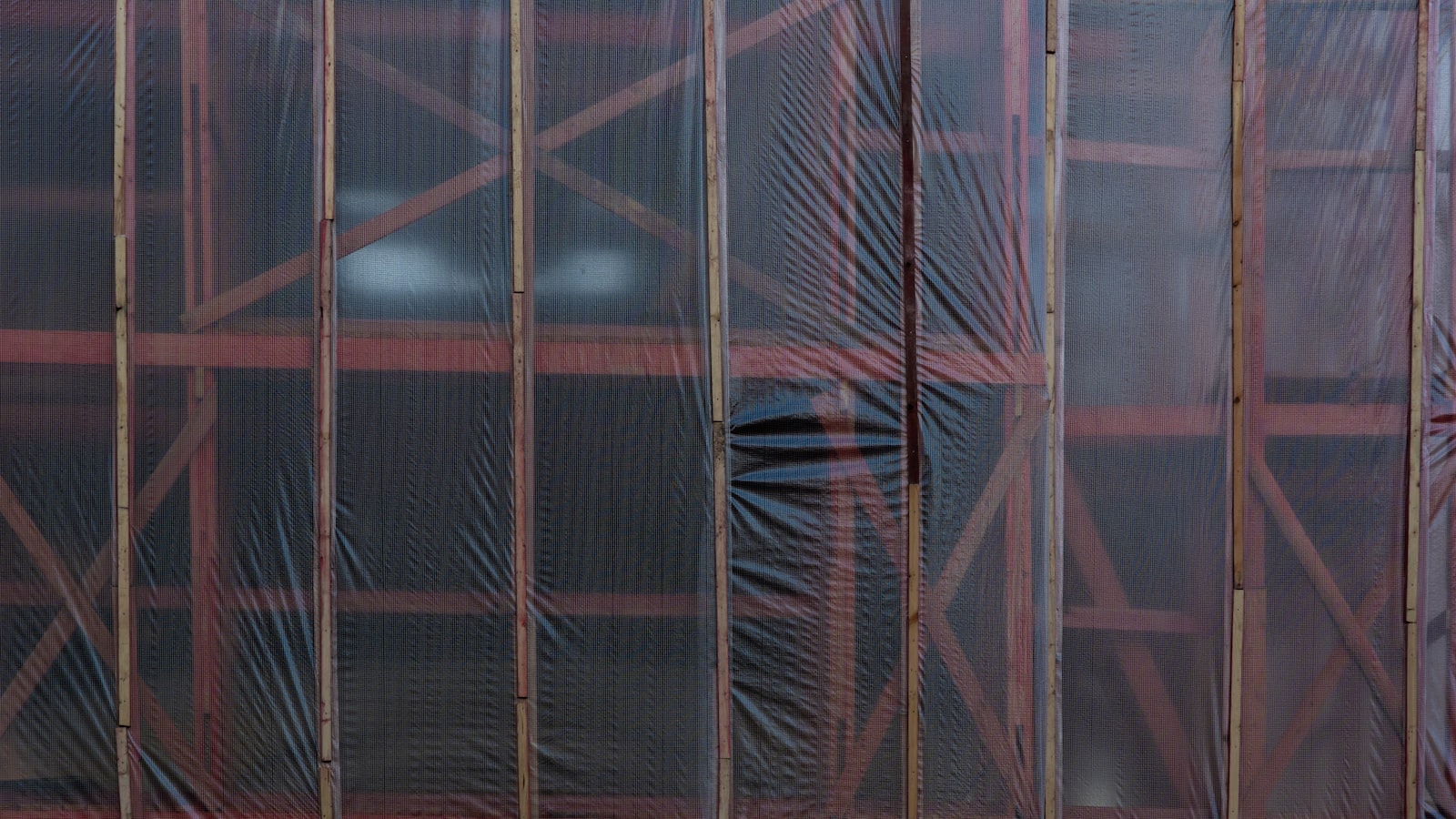
Polythene sheeting
Protective covers, liners and dust sheets for storage, building and transit, at any width.
View product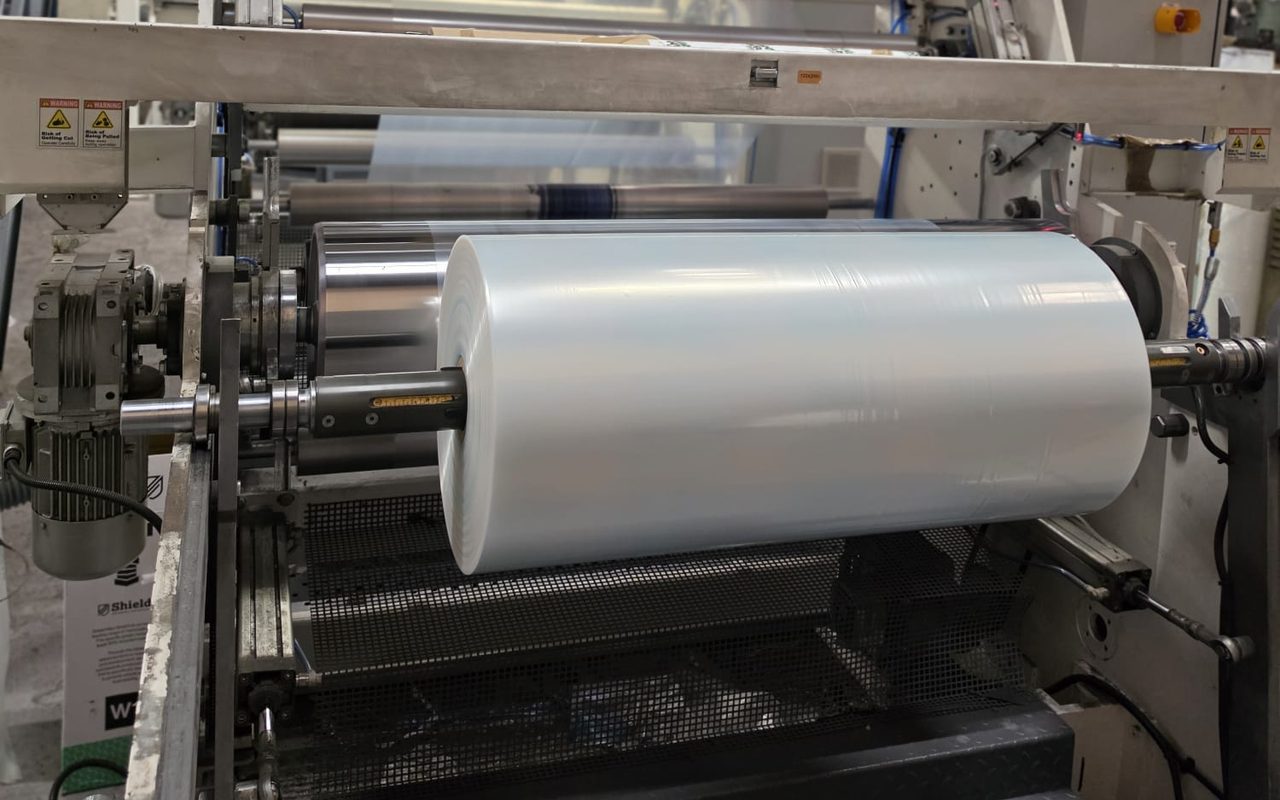
Layflat tubing
Continuous polythene tubing, cut and heat-sealed to any length for made-to-measure bags.
View productBrowse the full product range, try the product selector, or read our packaging guides.
Need it made to your exact spec?
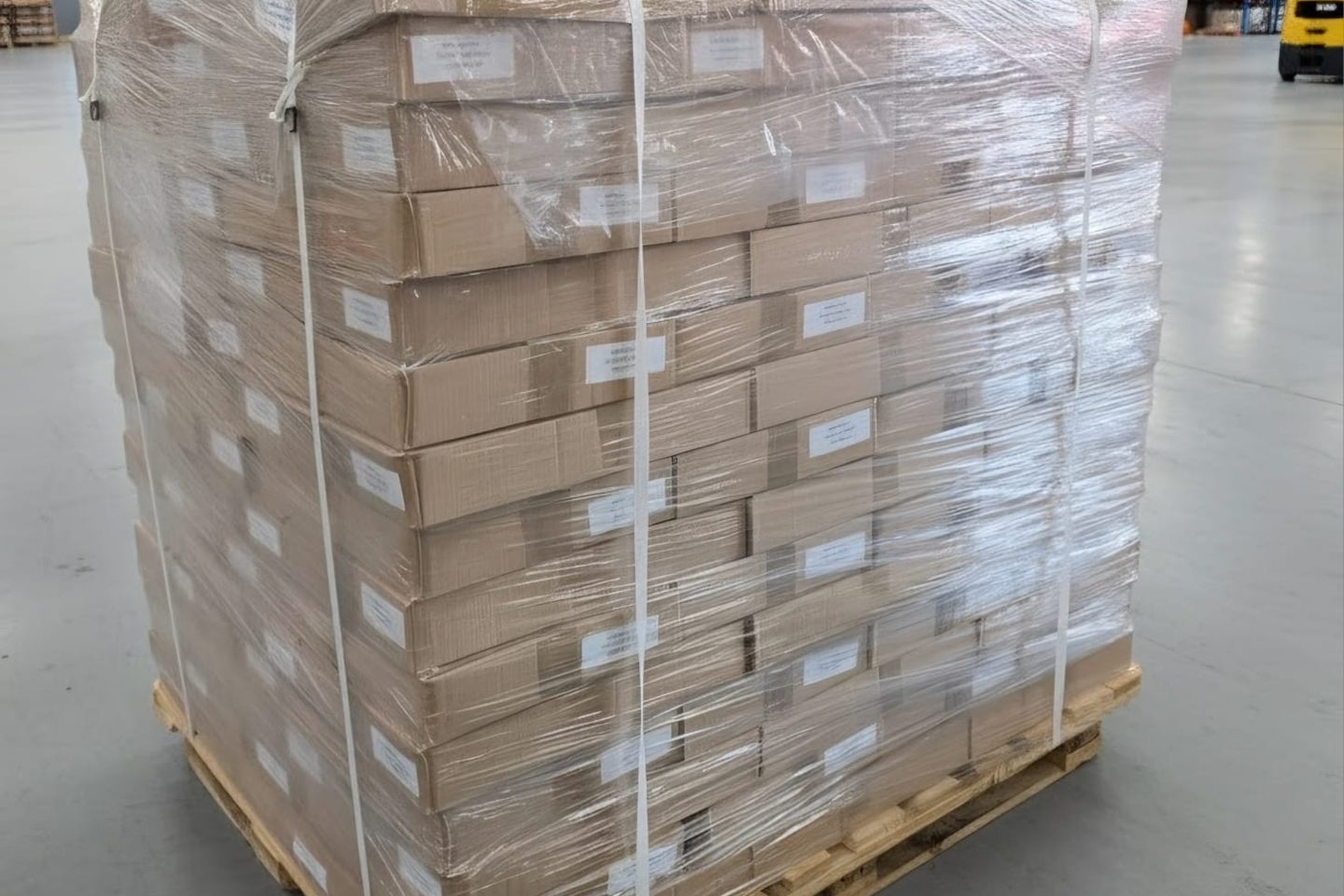
We manufacture tailor-made polythene packaging in Blackburn and deliver across the UK. Tell us your numbers and we will quote.