
Bags
Polythene Bags
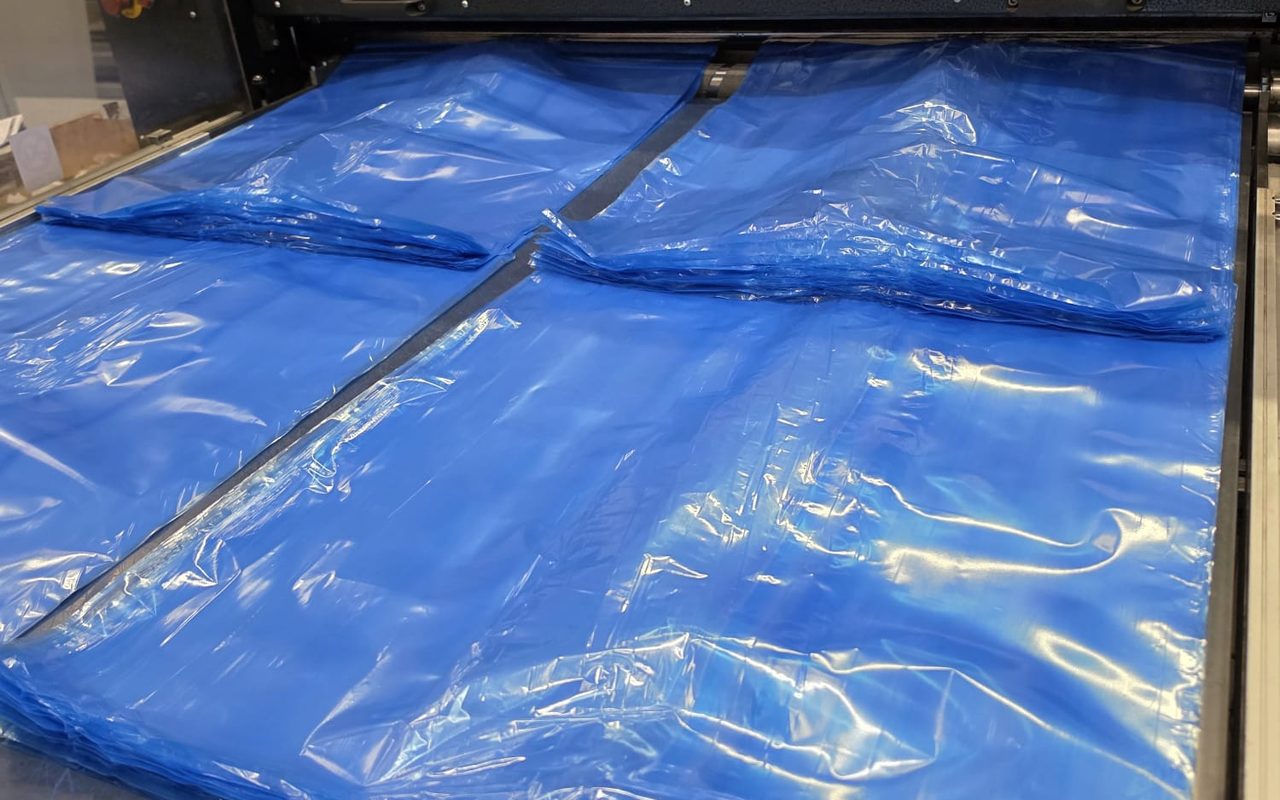
Polythene bags are flexible plastic bags made to your size in gauges from 30 to 200 micron, clear or coloured, flat, gusseted or supplied on a roll. We extrude the film and convert the bags in Blackburn, so you can specify width, length, thickness, colour and print rather than settle for the nearest stock size.
At a glance
Key points
- Gauge range 30 to 200 micron, from light packing film to heavy duty
- Flat, gusseted, or perforated on a roll
- Clear film, or extruded in a colour you specify
- Plain, or printed to your artwork
- Recycled and biodegradable options available on request
| Gauge | 30–200mu |
|---|---|
| Material | Polythene, extruded and converted at our Blackburn factory |
| Formats | Flat, gusseted, or perforated on a roll |
| Sizes | Made to order in your width, length and gusset depth |
| Colours | Clear, or extruded to a colour you specify |
| Plain, or printed to your artwork | |
| Recycled options | Recycled and biodegradable grades available on request |
What are polythene bags used for?
Polythene bags are the general purpose bag of British industry. They line boxes and bins, hold components on an assembly line, keep parts clean between processes, protect finished goods in storage, bag up spares in a stores department and pack products for retail. A clear bag lets a picker identify the contents without opening it, and a coloured or opaque bag keeps them out of sight.
Because polythene bags are made rather than bought off a shelf, one product covers a very wide range of jobs. The variables are gauge, width, length, colour, gusset, print, and how the bags are supplied. Get those right and the bag stops being something you work around.
What gauge of polythene bag do I need?
Gauge is the thickness of the film, quoted in microns in the UK, and it is the first thing to get right on a polythene bag. Roughly 30 to 50 micron suits light, clean, low weight items such as garments, paperwork, small components and box liners. From 50 to 100 micron covers most general packing where the bag gets handled a few times. Above 100 micron the film starts to resist puncture and tearing properly, which is what sharp edges, heavy contents and repeated warehouse handling need.
We manufacture polythene bags from 30 to 200 micron. If you are replacing an existing bag and do not know the gauge, send us a sample along with the weight of what goes in it, and we will match it or improve on it rather than guess.
What is the difference between flat, gusseted and roll bags?
A flat polythene bag is a simple two sided bag, sealed on three edges with an open top. It is the simplest format to make and it suits flat or thin products. A gusseted bag has folded sides or a folded base, so it opens out to hold bulky or box-shaped items without straining the seals, and it stands up better once filled.
Bags on a roll are perforated between each bag so a packer can tear one off single handed, which keeps a packing bench tidy and speeds up repetitive work. We manufacture all three formats, so the choice comes down to how the bag will be filled and handled rather than what happens to be available.
Can polythene bags be made to a non-standard size?
Yes. Every polythene bag we make is converted to the dimensions on your order, so an unusual width, length or gusset depth costs no more to specify than a common size. If you have an awkward product, give us its dimensions and we will work the bag size out around it rather than asking you to fit the product to a bag that nearly works.
Minimum order quantity varies with the size and gauge, because film has to be extruded before it can be converted into bags. We will confirm the minimum for your specification when we quote, and we do run one-off bespoke trials if you want to prove a size before ordering it regularly.
Common applications for polythene bags
- Warehouse picking and order packing
- Component and spare parts storage
- Box, case and bin liners
- Retail and garment packing
- Engineering and work in progress protection
- Construction site materials and fixings
- Horticulture and garden centre packing
Questions
Polythene bags FAQs
What is the difference between micron and gauge on a polythene bag?
Micron and gauge describe the same thing, the thickness of the film, in different units. A micron is one thousandth of a millimetre, and UK polythene is normally specified in microns. Gauge is an older measure where 100 gauge equals 25 micron, so you multiply microns by four to get gauge. Quote us either figure and we will work in whichever unit you prefer.
Can you match a polythene bag I already buy?
Usually, yes. Send us a sample, or the width, length and gauge from your current specification, and we will quote a like-for-like bag. If you also tell us what goes in it and how it fails when it fails, we can adjust strength, thickness or slip rather than copying a bag that is not quite working. We extrude and convert in house, so the film itself can change, not only the bag dimensions.
What is the thickest polythene bag you can make?
We manufacture polythene bags up to 200 micron. Above roughly 100 micron the film becomes genuinely puncture resistant, which suits heavy, sharp or awkward contents. If 200 micron is not enough for your job, ask us about high strength polybags, which are made specifically for heavy and sharp loads, or about a bespoke film specification built around your process.
Can polythene bags be printed with warning or product text?
They can. Suffocation warnings, recycling instructions, product identification, batch panels and your own branding are all printed on the bag during manufacture. Send the wording or artwork with your enquiry and we will confirm how it lays out on your bag size. Bags are also supplied completely plain if you prefer to apply your own labels.
Related
You might also consider
High-strength polybags
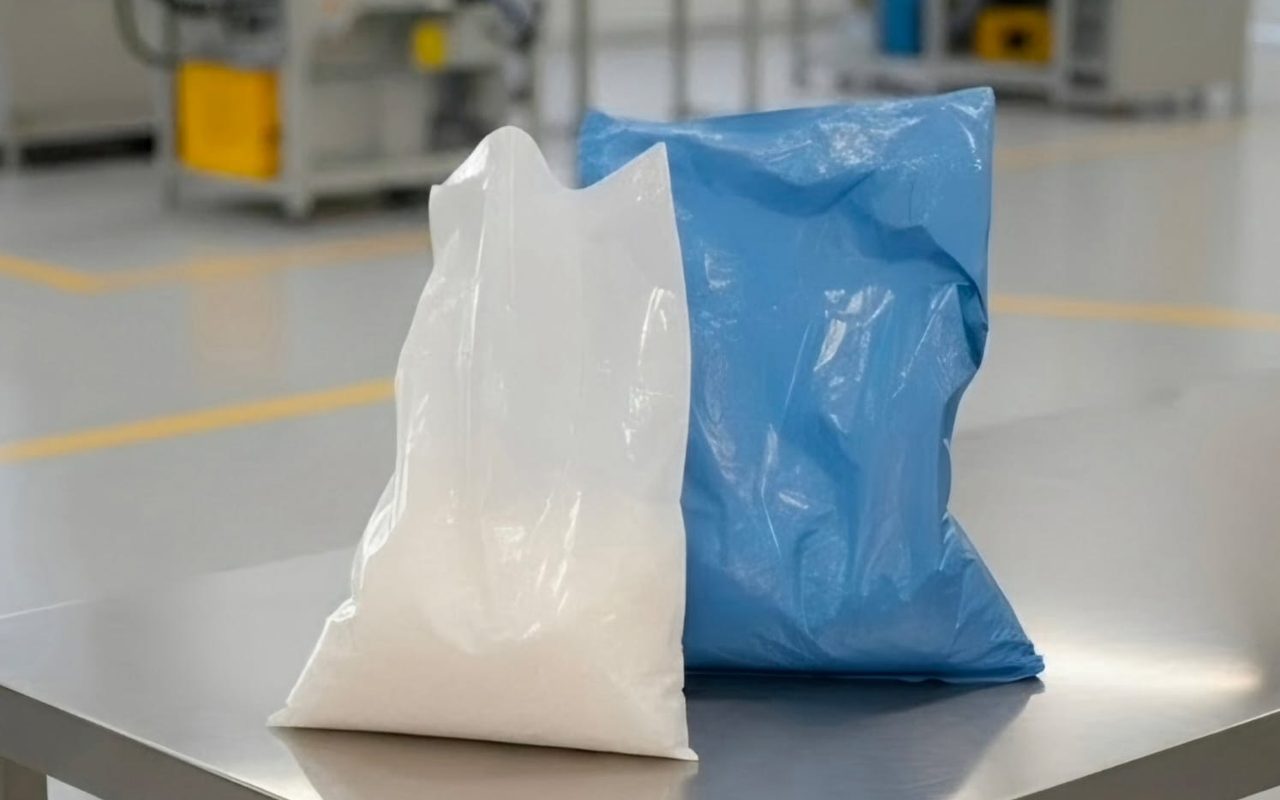
Thick, puncture-resistant polybags for heavy, sharp or awkward items that need extra strength.
View product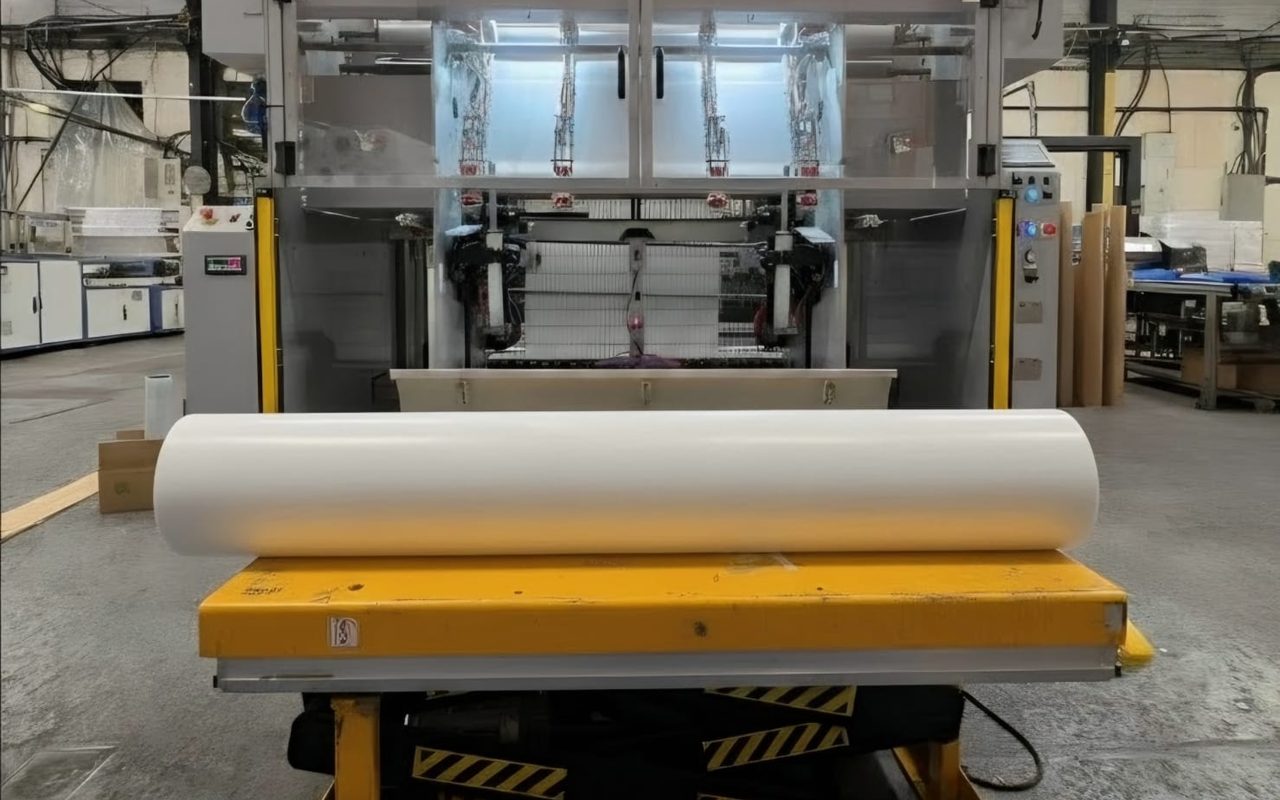
Perforation on reel (POR) bags
Bags supplied on a perforated reel, torn off one at a time for quick, tidy line-side packing.
View product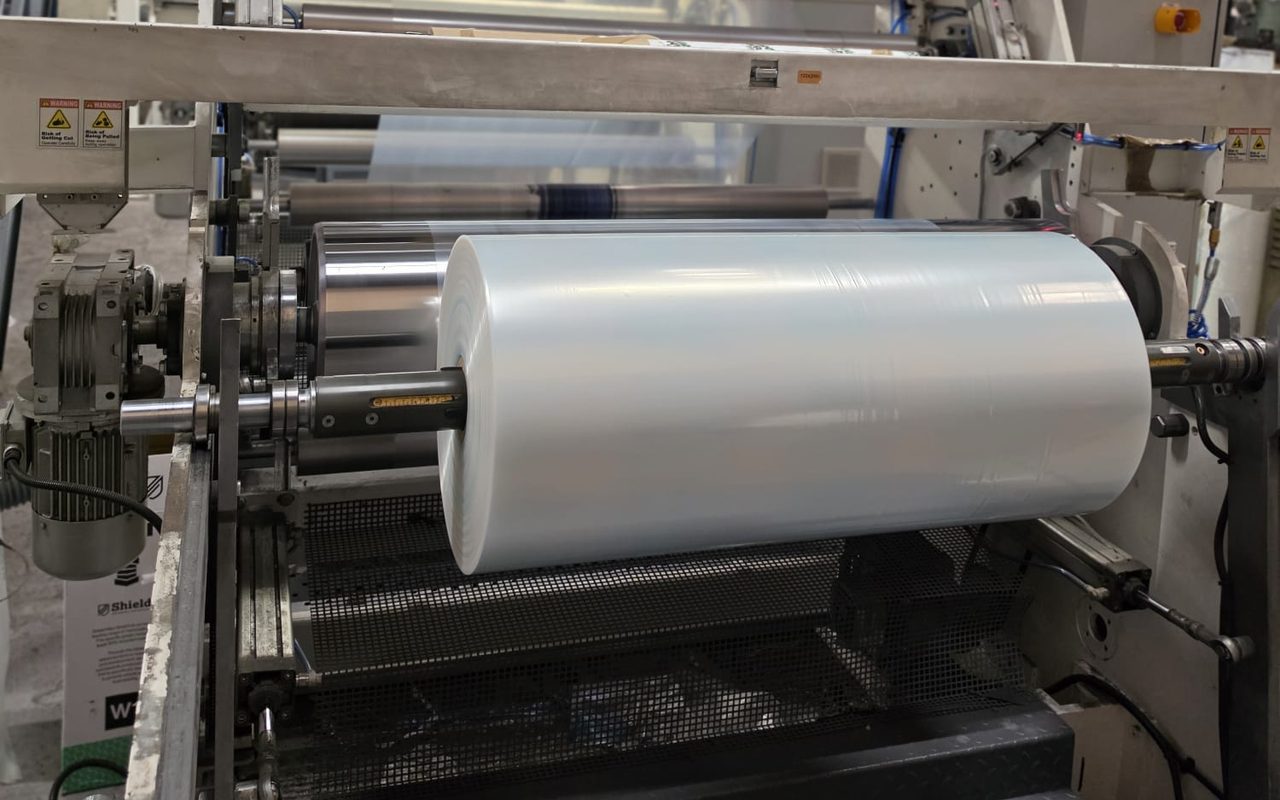
Layflat tubing
Continuous polythene tubing, cut and heat-sealed to any length for made-to-measure bags.
View productBrowse the full product range, try the product selector, or read our packaging guides.
Need it made to your exact spec?
We manufacture tailor-made polythene packaging in Blackburn and deliver across the UK. Tell us your numbers and we will quote.