Film
EVA film, manufactured to your specification
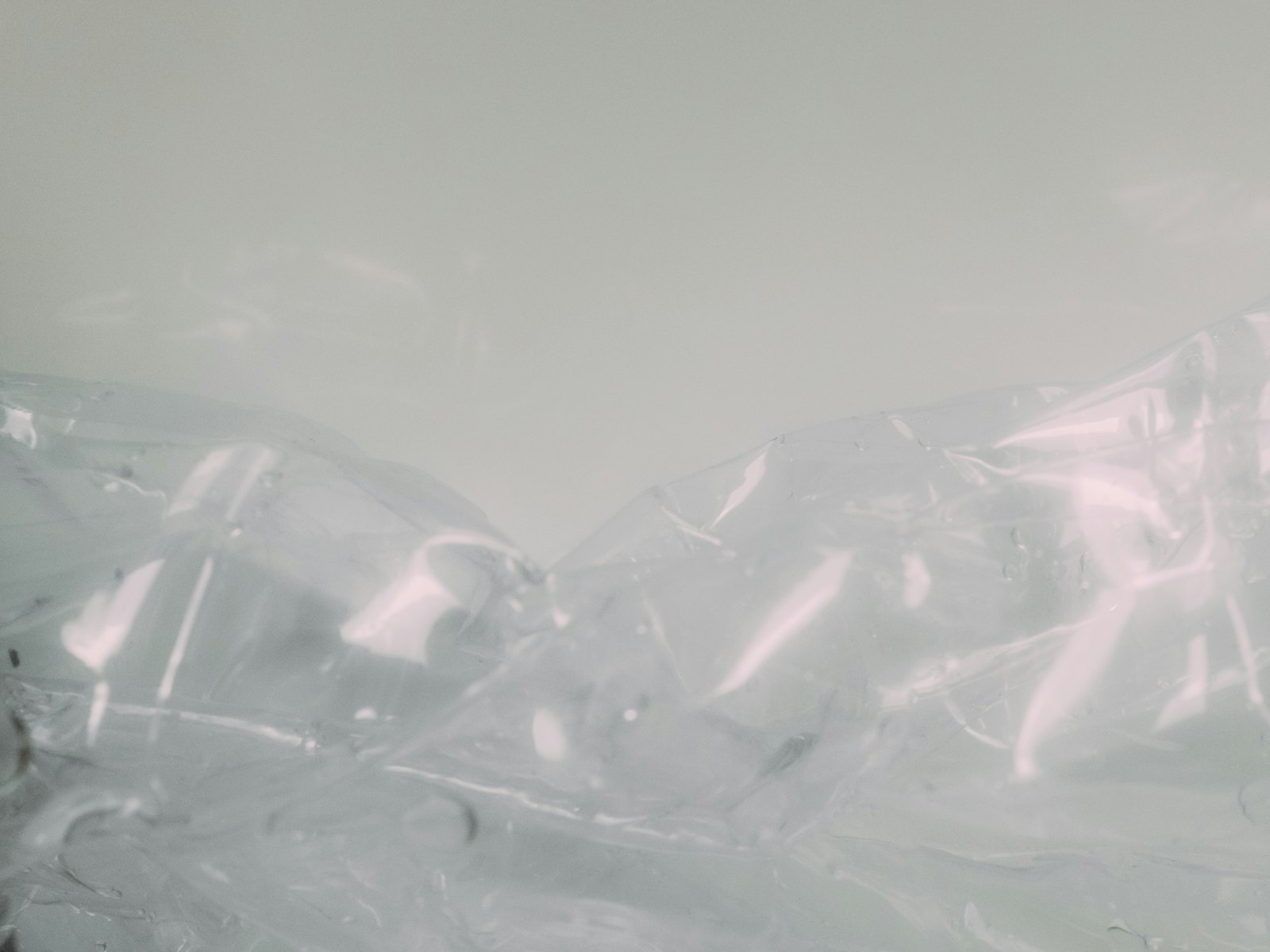
EVA film is a soft, highly flexible film made from ethylene vinyl acetate, which gives it better clarity, more stretch and more give at low temperatures than standard polythene. We extrude it at our Blackburn factory in gauges from 25 to 150 microns, in the width and colour you need, plain or printed to your artwork.
At a glance
Key points
- Softer and more elastic than standard LDPE, with high clarity
- Stays flexible at low temperatures, so it handles well in chilled and cold store conditions
- Extruded in gauges from 25 to 150 microns
- Seals at a lower temperature than standard polythene
- Widths, colours and print all made to order
| Gauge | 25–150mu |
|---|---|
| Material | EVA (ethylene vinyl acetate) film, extruded in house at our Blackburn factory |
| Width | Made to order |
| Colour and print | Clear, tinted or coloured; plain or printed to your artwork |
| Recycled content | Recycled options are available across much of our range; ask us and we will confirm what suits an EVA specification |
| Supplied as | Reels of flat film or tubing, or converted into bags, covers and cut sheets |
| Lead time | Typically 2 to 3 weeks on bespoke runs, quicker on repeat orders and standard specifications |
What is EVA film?
EVA film is a polythene film made with ethylene vinyl acetate, a copolymer that changes how the film behaves. The vinyl acetate content makes the film softer, clearer, more elastic and tackier than standard low density polythene, and it keeps that flexibility when it gets cold rather than stiffening up. It also seals at a lower temperature.
Those properties make EVA the film to reach for when a wrap has to conform closely to an awkward shape, when clarity matters because the item has to be seen through the film, or when the pack will spend its life in a cold store. We extrude EVA film at our factory in Blackburn in gauges from 25 to 150 microns.
How does EVA film compare with standard polythene?
Against standard LDPE of the same thickness, EVA film is softer, stretchier, clearer and slightly tacky to the touch, and it stays supple at low temperatures. The trade-off is stiffness. EVA drapes rather than holding its shape, so it is not the film to pick where you want a crisp, self-supporting bag or a rigid liner.
Where an item is soft, irregular or needs to be seen clearly through the wrap, EVA usually performs better. Where you need straightforward, stiffer protection for a boxy product, standard polythene or a co-extruded film is the more sensible starting point. Tell us what the film has to do and we will be honest about which one fits.
What gauge, width and colour of EVA film can you make?
We extrude EVA film from 25 to 150 microns and make the width to order. Lighter gauges suit soft wrapping, interleaving and covers where the film needs to drape over the product; heavier gauges suit liners and protective covers that get handled repeatedly.
Colour is made to order, from clear where the item has to be visible through to tinted and opaque films, and we print to your artwork. Strength, elasticity, slip, stiffness, thickness and recycled content are all properties we set when the specification is written, so the film is built around the job rather than picked off a shelf.
How is EVA film supplied?
EVA film is supplied on the reel as flat film or as tubing, in the width and gauge you specify, and we convert it in house into bags, covers and cut sheets if you would rather not do that yourself. Reel widths, core sizes and put-ups are made to order, so if the film is going onto a machine, send us the web width and the maximum reel diameter the machine takes.
We run both the extrusion and the conversion at our Blackburn factory, which keeps one specification running from the melt through to the finished item and makes repeat orders consistent.
Common applications for EVA film
- Wrapping soft, irregular or delicate items that need the film to conform
- Protective covers and liners for chilled and cold store use
- Textile, garment and soft furnishing packing
- Footwear, leather goods and luggage
- Foam, mattress and cushion wrapping
- Automotive trim and soft component protection
- Horticulture and nursery growers
- Presentation and display packing where clarity matters
Questions
EVA film FAQs
What does EVA stand for in EVA film?
EVA stands for ethylene vinyl acetate, a copolymer of ethylene (the same building block as ordinary polythene) and vinyl acetate. The vinyl acetate content is what makes the film softer, clearer, stretchier and more flexible in the cold than standard polythene. In packaging it is usually referred to simply as EVA film.
Is EVA film stronger than standard polythene?
EVA is more elastic and more forgiving than standard polythene rather than simply stronger. It stretches and absorbs movement instead of resisting it, which helps on soft or irregular items, but it is less stiff, so it will not hold its shape the way a heavier LDPE bag does. If the job is heavy, sharp or abrasive, a thicker gauge or a high-strength polybag is usually the better fit.
Can EVA film be heat-sealed?
Yes, and it seals at a lower temperature than standard polythene, which is useful on hand sealers and on lines where dwell time is short. Because the sealing window is different, it is worth running a short trial on your own sealer before committing to a full production run. Tell us what equipment you seal on and we will take it into account in the specification.
Does EVA film stay flexible in cold storage?
Yes. Holding its flexibility at low temperature is one of the main reasons buyers choose EVA over standard polythene, which can stiffen and split more easily when it is cold. If the film will be handled in a chilled or frozen environment, tell us the temperature it has to work at and we will factor that into the gauge and the grade.
Related
You might also consider
Co-extruded bags and film
Multi-layer co-extruded film and bags that combine strength, barrier and finish in one web.
View product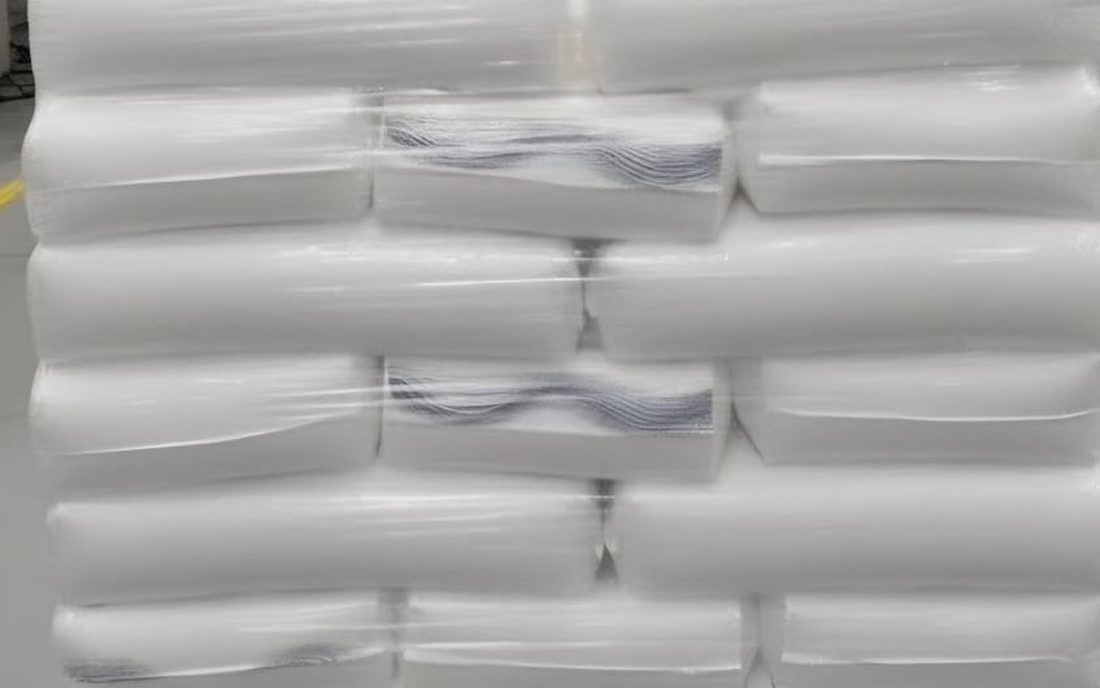
Shrink film
Stable, tight pallet and multipack loads with consistent shrink across the wrap.
View product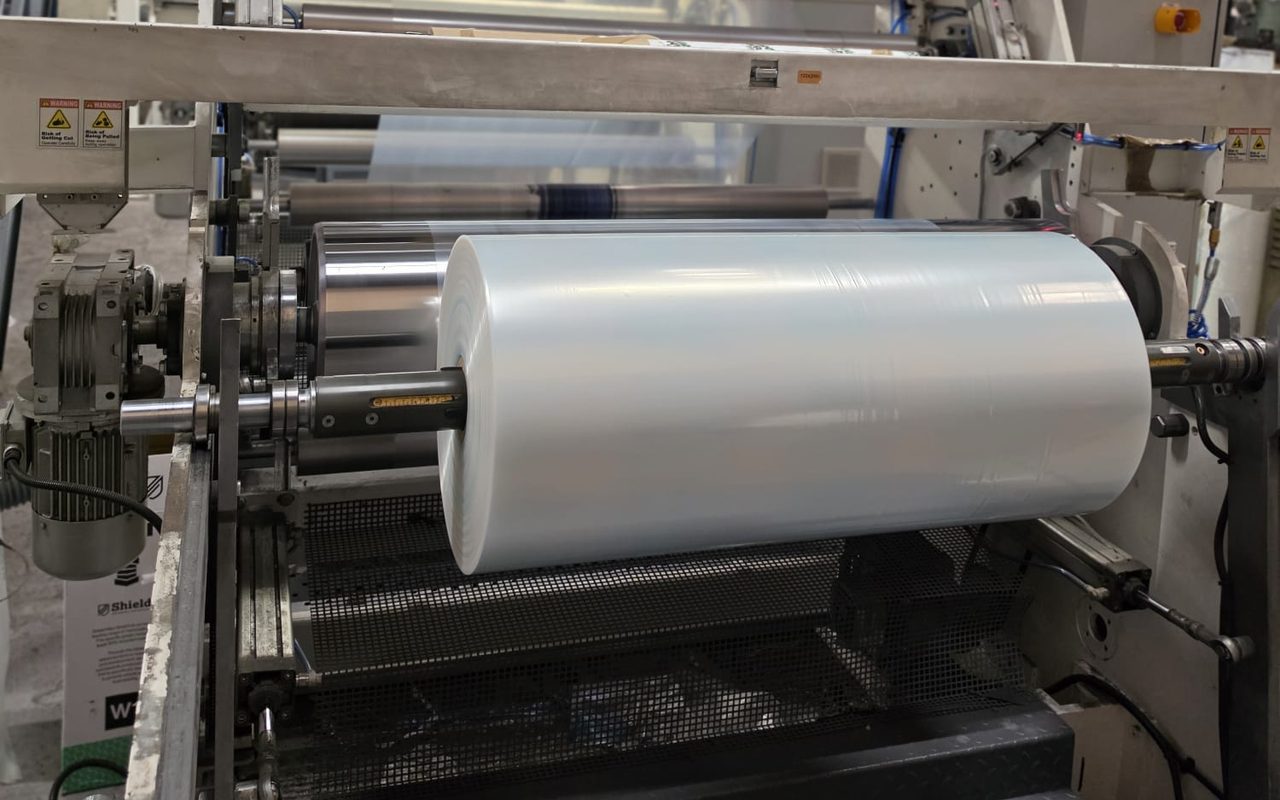
Layflat tubing
Continuous polythene tubing, cut and heat-sealed to any length for made-to-measure bags.
View productBrowse the full product range, try the product selector, or read our packaging guides.
Need it made to your exact spec?
We manufacture tailor-made polythene packaging in Blackburn and deliver across the UK. Tell us your numbers and we will quote.